Our faculty, students, postdocs and alumni are frequently featured in media:
-

How AI Can Help Boost Wealth and Share It More Fairly
Dr. Jiaying Zhao and co-authors discuss how AI can boost wealth more equitably. They explain that an AI‑funded basic income is recommended as “it reflects the principle that as machines become more capable, people should become freer to flourish.”
-
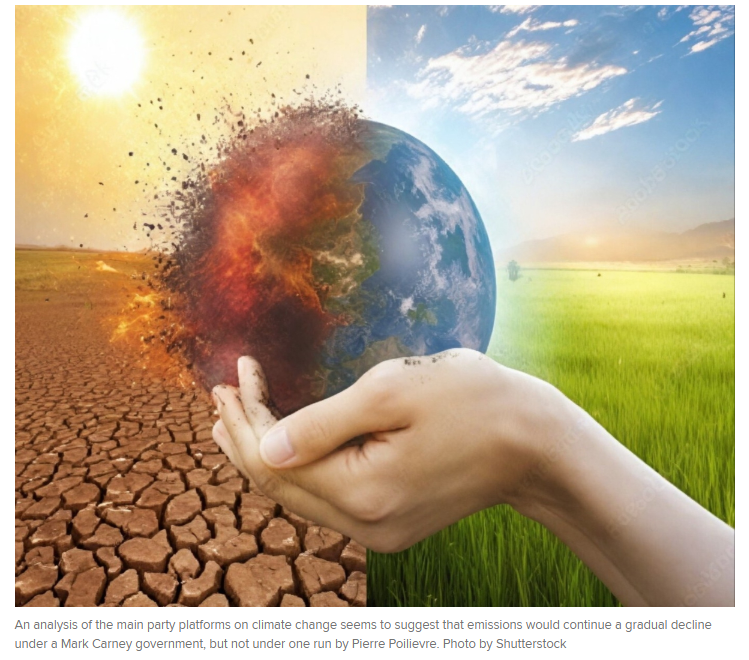
Summer is getting longer, and it’s happening faster than we thought
Dr. Simon Donner and Ted Scott analyzed temperature data spanning 1961 to 2023. The research points to urgent questions: What will earlier spring heat mean for food supply? Do today’s climate models that inform planning and policy fully capture these trends or do they need updating?
-
Just Ask: How can I get Involved in Earth Day and volunteering on the Coast?
Simon Donner will be a keynote speaker at the Sunshine Coast Climate Faire in April. This two-day event brings together leading experts, local changemakers, businesses, students, and community members to explore practical and positive climate action! 💚🌱
-
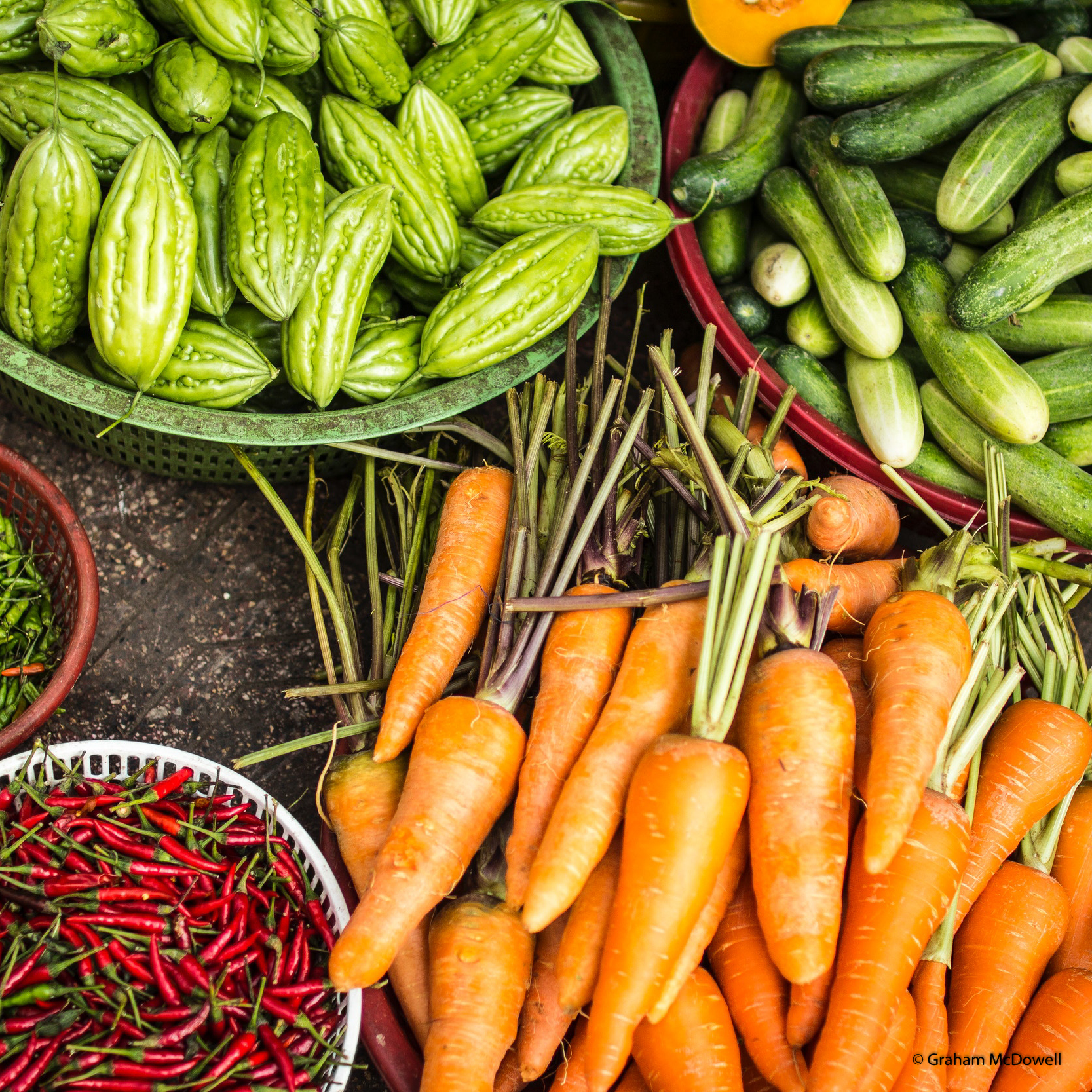
Food shock is inevitable due to the Iran war – and it could get bad
“The oil price spike could help Americans shift to cleaner, more advanced technology: electric vehicles. Instead, the US government is going backwards.” says Simon Donner. While inflation is inevitable due to the Iran war, accelerating to net-zero will help prevent future shocks.
-

Environment committee engaging in ‘junior high behaviour’: former climate advisers
Simon Donner responds to the chaos at the House of Commons environment committee, where MPs traded accusations of filibustering while time ran out, intentionally preventing government climate scientists from sharing their work about Canada’s emissions plan.
-

Hybrid sales up, EV sales down as B.C. struggles to meet sales targets
“In a world where gas prices are spiraling up, EVs would be eventually better. But right now, because they’ve lost the subsidies, there’s this kind of shock. The price went up, and so the demand went down,” explains Milind Kandlikar.
-

From the Strait of Hormuz to African Markets: How the Persian Gulf Region Conflict Could Deepen Food Insecurity
IRES student Momodou Barry explores how conflict in the Persian Gulf region could deepen food insecurity across Africa by disrupting energy markets, fertilizer supply chains, and global shipping routes. Global food systems are interconnected, and shocks in one region can quickly influence food prices elsewhere.
-

Creating Communities to Help Interdisciplinary Scientists Thrive
Dr. Navin Ramankutty explains that as more researchers connect across disciplinaries, science will be better able to pursue solutions that address complex, urgent problems to secure livelihoods, food security and to safeguard our planet’s environmental health. Picture credits: Attendees socialize during an event at the 5th Open Science Meeting for the Global Land Programme (GLP)…
-

A Reminder About The Food We Eat: “Every Seed We Place In The Earth Is An Act Of Trust”
🍎🍗How can we reconcile our love of food with the reality that many are sourced in ways that are warming our planet? Research by Juan Diego Martinez and Navin Ramankutty explains how agricultural policies can make peace with the climate through different declarations. Photo via Bakd&Raw by Karolin Baitinger
-

Encouragement boosts people’s likelihood to take climate action
☺️🌍 The fight against climate change is often framed as a sacrifice, Jade Radke’s study finds presenting environmental action in a proactive light makes people more likely to act. “Clear, actionable alternatives make it easier for people to engage,” Radke explains. Bicycle rush hour in Copenhagen, Denmark. Image by Mikael Colville-Andersen via Flickr (CC BY-NC-ND…
-

Dropping EV mandate for emissions standard ‘a mistake’ in Carney’s auto strategy: Climate scientist
🚗⚡Simon Donner shares his viewpoint about Mark Carney’s new automotive plan, which he believes is ‘hamstrung by the fact that we work with the North American automakers who are influenced by the U.S. government – and who are frankly behind on electric vehicles.’ Photo by Michael Fousert via Unsplash
-
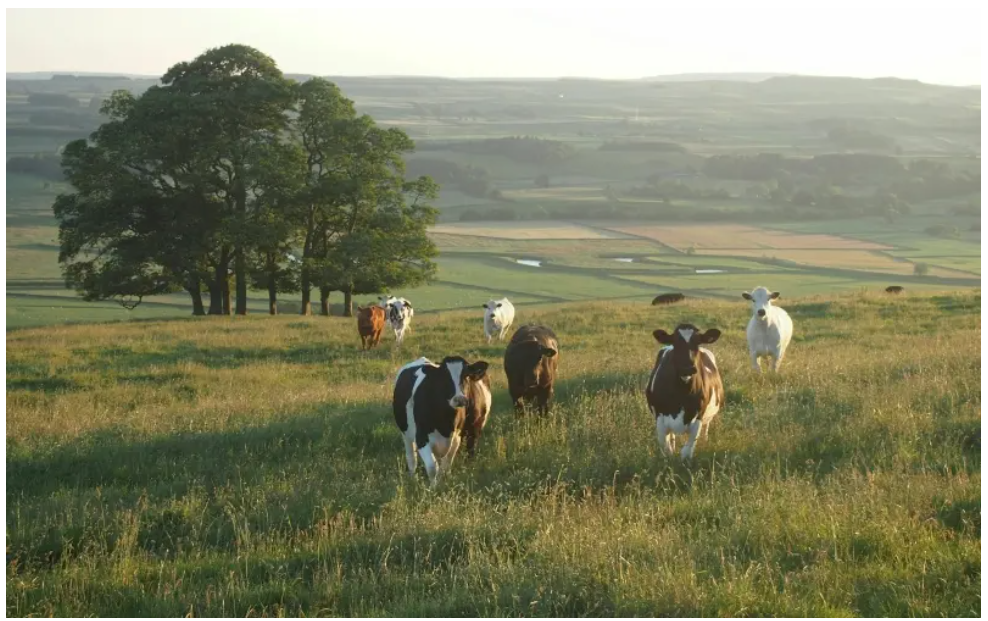
Silvopasture Gains Momentum in the Amazon, but Can It Shrink Beef’s Footprint?
“Farmers may seem like the main decisionmakers, but actually macro-scale factors like policies and market conditions are what drive adoption” explains Tatiana Chamorro-Vargas who is featured in the Good Men Project for her research on silvopastoral systems, which combine trees and pasture.
-
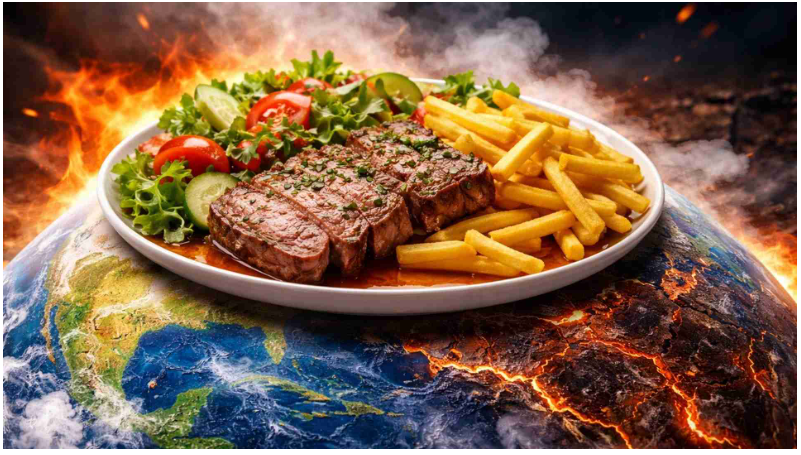
Your dinner may be heating up the planet: study shows that almost half the world’s population needs to change their diet.
🌍🍔 IRES student Dr. Juan Diego Martinez’s study shows that food systems account for more than a third of global greenhouse gas emissions caused by human activity and encourages people to “vote with their forks.”
-

Why most Americans misjudge which personal decisions contribute most to climate change
🌍 While most Americans misjudge which personal decisions contribute to climate change, Dr. Jiaying Zhao explains how more readily available information can help people more accurately estimate which actions are most effective. Photo credit: David Preston via unsplash
-

Meet the Canadian Aiding Trump’s ‘Insane’ War on Climate Science
Curious in how climate scientists are responding to Ross McKitrick contributing to Trump administration studies? Dr. Simon Donner’s response is featured in DeSmog saying, “I cannot state enough how insane it is that the same old debunked arguments from the same old debunked individuals are actually emerging in the year 2025.”
-

Water companies under fire after shocking surge in dangerous incidents: ‘Continued systemic failure’
Dr. David Boyd is featured in The Cool Down for his insights on a new report from the U.K. Environment Agency has found that water company pollution incidents rose across England in 2024.
-

How ‘eco improv’ can help manage climate anxiety
Anaïs Pronovost-Morgan and Samantha Blackwell are featured in CBC for their workshop on ‘eco improv’. While it won’t fix the climate crisis, it can create community and spaces to empower people
-

Is your dog keeping Swiss Re’s underwriters up at night?
When asked to rank a range of lifestyle choices – from flying to recycling – by their climate impact. The results were sobering: most people failed to identify the most carbon-intensive actions, while overestimating the significance of lower-impact habits. Dr. Jiaying Zhao is featured in Insurance Business, explaining why and how this can happen.
-

As the World Confronts Climate Change, the US Leaves Our Future Behind
Former and current UN special rapporteurs David Boyd and Elisa Morgera are featured in The Nation, noting that a recent opinion from the Inter-American Court of Human Rights fails to call directly for broad fossil fuel phaseout.
-

World’s top court paves way for climate reparations
“The court’s clear and detailed articulation of state obligations will be a catalyst for accelerated climate action and unprecedented accountability,” Dr. David Boyd responds to the International Court of Justice’s historic statement that climate change is an urgent and existential threat and countries have a legal duty to prevent harm from their planet-warming pollution in…
-

Want a Carbon Fix? It’s Closer than You Think
Carbon sequestration solutions like kelp and forests do more than just capture carbon. Dr. Kai Chan is featured in the Tyee for his advice on the benefits carbon sequestration can have on both animals and overall ecosystems
-
Jiaying Zhao helps people enjoy protecting the planet
Can we make meaningful climate action feel happy instead of miserable? Dr. Jiaying Zhao answers this and more in the American Psychological Association.
-
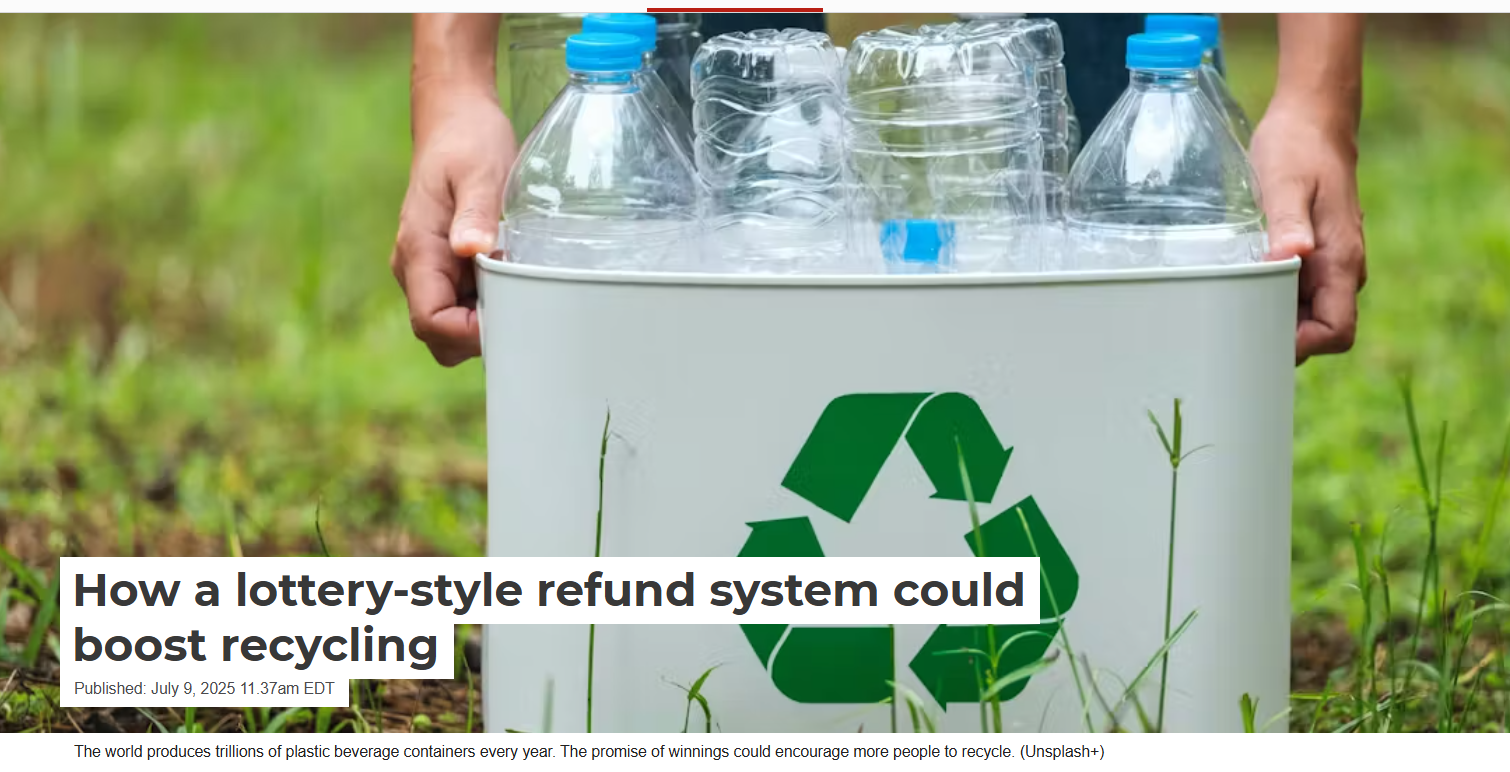
How a lottery-style refund system could boost recycling
Dr. Jiaying Zhao and Jade Radke are featured in the Conversation for their innovative study to increase recycling rates through a green lottery. If done right, offering a chance to win a higher amount of money for recycling can meaningfully increase recycling rates, contribute to a circular economy and allow people to choose the refund…
-
This is a climate election
Dr. Simon Donner is featured in the analysis of the main party platforms on climate change seems to suggest that emissions would continue a gradual decline under a Mark Carney government, but not under one run by Pierre Poilievre.
-
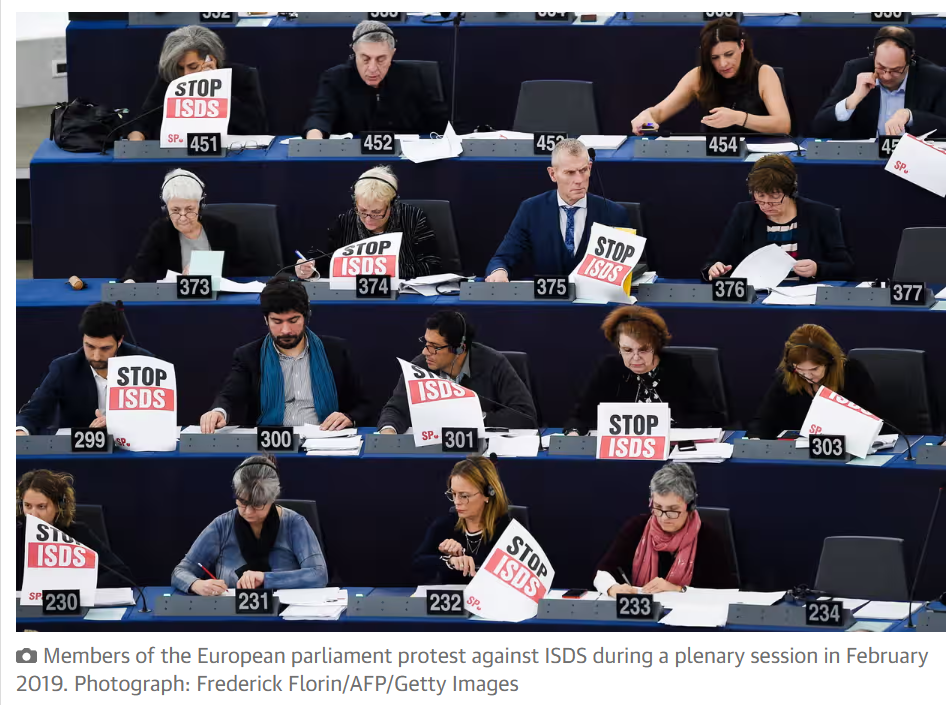
The age of extinction – Why fear of billion-dollar lawsuits stops countries phasing out fossil fuels
A UN report by Dr. David Boyd has been featured in the Guardian to explain how companies can sue governments for closing oilfields and mines – and this risk of huge damages is already stopping countries from passing green laws!
-
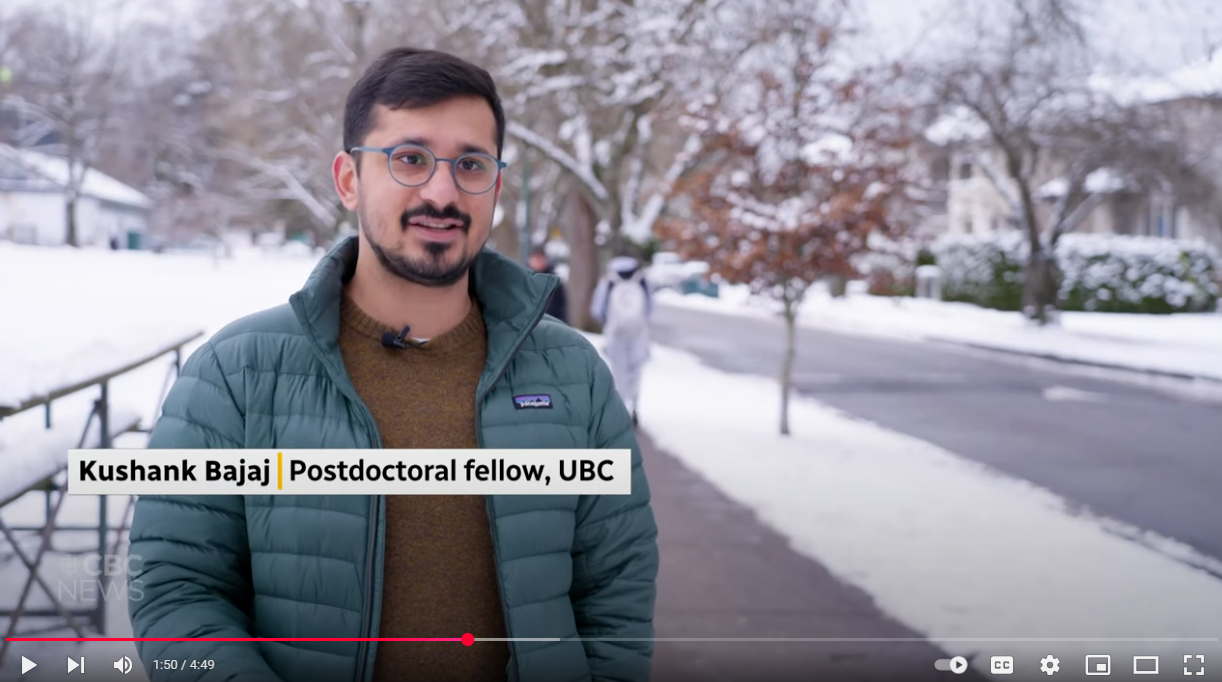
Extreme weather puts pressure on fruit and vegetable costs and supply | CBC
Climate change is causing more heat domes and deep freezes, and as the CBC’s Camille Vernet explains extreme weather affects food prices and supply.
-
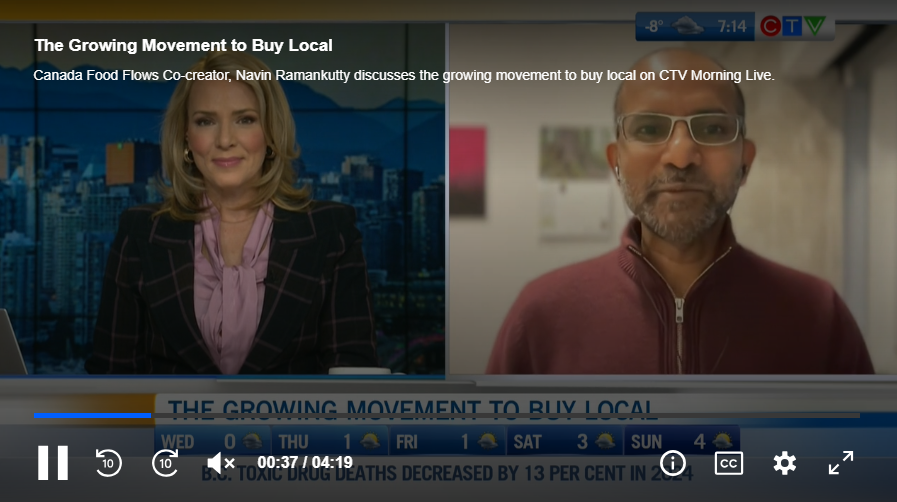
The Growing Movement to Buy Local | CTV News
Canada Food Flows Co-creator, Navin Ramankutty discusses the growing movement to buy local on CTV Morning Live.
-

UK failing to match EU in fight against ‘forever chemicals’, say scientists
The UK government responds to a letter from 59 experts, including IRES’s Gunilla Öberg, which called for wide-ranging restrictions on “forever chemicals”.
-

Here’s how a scarcity mindset forms—and how to overcome it
Dr. Jiaying Zhao spoke about scarcity mindset.
-

Have a very sustainable Christmas: 5 tips from the experts
UBC researchers Dr. Jiaying Zhao, Dr. Kai Chan, Dr. Johan Foster, Dr. Guangyu Wang, Dr. Nadine Borduas-Dedekind, and master’s student Daphne Chevalier gave advice on how to make the holiday season sustainable!
-

Want folks to use reusable mugs? Give them a chance to win free coffee: UBC researchers
A chance at a free coffee works better than a discount to encourage people to bring in their reusable mugs at coffee shops. UBC Psychology and IRES researchers are featured in Prince George Post for their findings.
-

COP29 preview
Dr. Simon Donner spoke to CBC about what to expect from COP29, the 29th UN climate change conference
-

How much progress has Canada made since the Paris Climate Agreement in 2015?
Dr. Simon Donner spoke about B.C. and Canada’s progress since the 2015 Paris Agreement was signed.
-
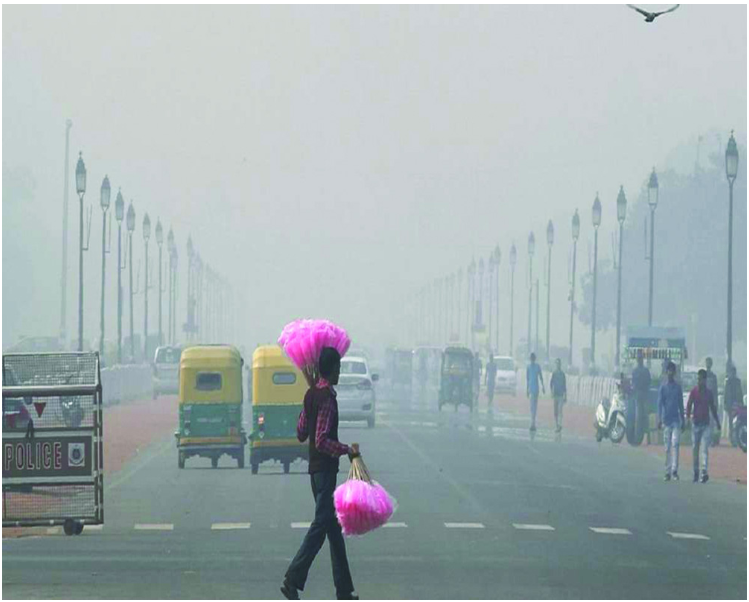
The smog capital of India
A study by Dr. David R. Boyd explained the urgency for treating air pollution as a human rights issue.
-

Canada’s Net-Zero Advisory Board recognizes BECCS
Dr. Simon Donner explained Canada’s Net-Zero Advisory Body, of which he is a co-chair
-

The secret lives of Vancouver’s bats — and the race to save them
Master’s student Aaron Aguirre discussed his urban bat project which can help combat white-nose syndrome, a deadly fungal disease affecting bats.
-
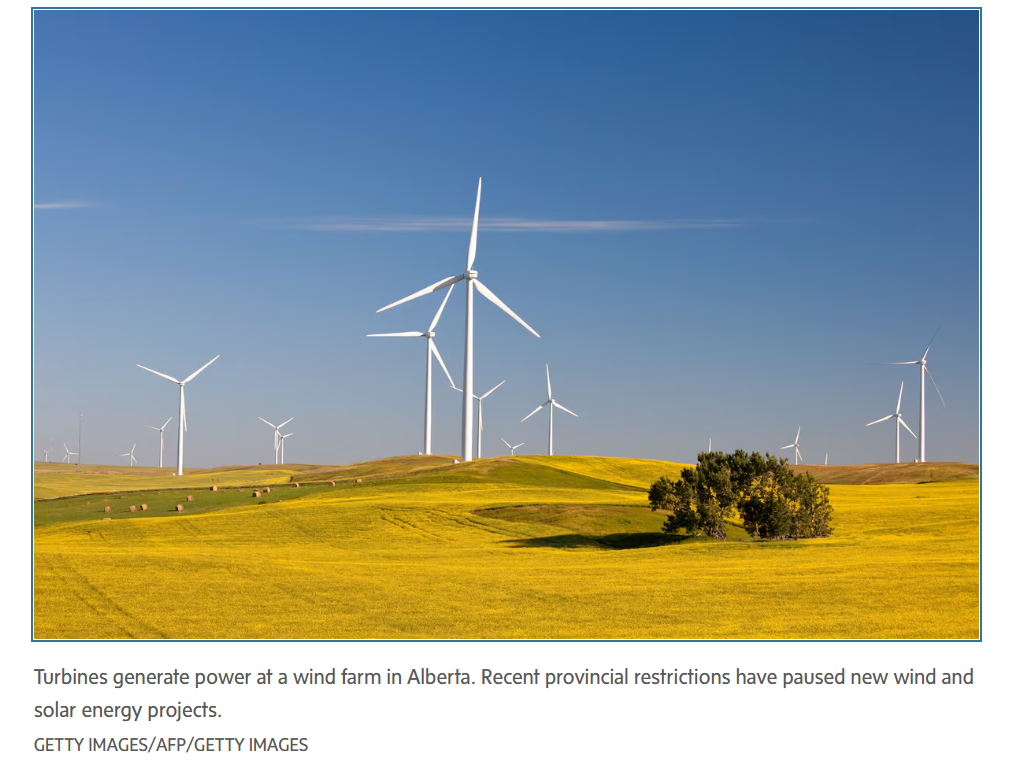
What Canadian provinces can learn from the Texas energy experience
Dr. Milind Kandlikar is featured in The Globe and Mail for his observations on B.C’s expertise in hydropower shaping the market of renewable energy for its province
-

B.C. atmospheric river a successful first test of community-led rain management project
PhD student Charlotte Milne weighed in on CBC News about the benefits of rain gardens to manage stormwater.
-

How can B.C. protect itself from the next atmospheric river?
CBC features Dr. Kai Chan for his recommendations to reroute water through ecosystems instead of human-made structures for stormwater management.
-
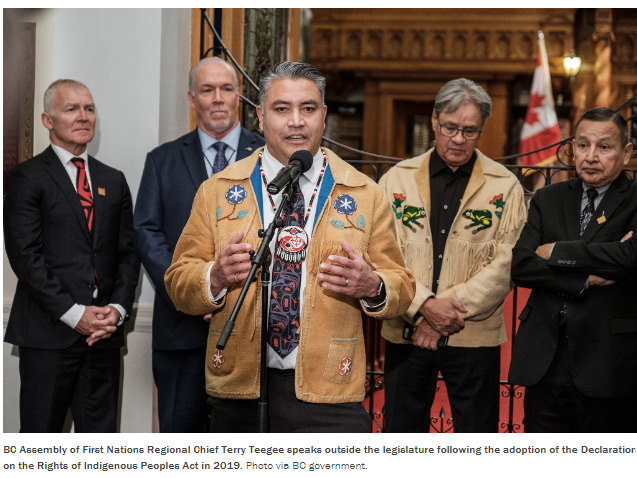
‘Rustad is a threat to first nations and a threat to reconciliation’
Postdoctoral researcher Dr. Justine Townsend commented on the importance of Indigenous Protected and Conserved Areas
-
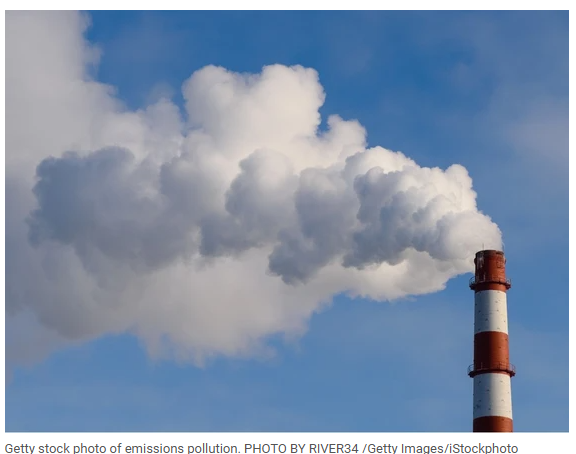
Canada must boost climate change targets: report
Dr. Simon Donner, discussed a new report from the federal Net-Zero Advisory Body which recommended that Canada boost its 2035 emissions reductions target.
-

Understanding hearts and minds is key to buy-in for federal climate policy
Dr. Jiaying Zhao commented on the federal government’s behavioral studies and surveys to shape federal climate policy and encourage sustainable actions in the National Observer
-

Finalists for 2025 Indianapolis Prize helping protect parrots, manatees, jaguars and more
PhD candidate Alberto Alves Campos is among the finalists for his work on helping the endangered Antillean manatee in Brazil. Photo credit: Maegan Luckiesh
-

New stormwater infrastructure is needed for Canadian cities to handle increased urban flooding
PhD candidate Mauricio Carvallo Aceves is featured in the Conversation, writing about increasing concerns of urban flooding in Canada.
-

Global effort to end plastic pollution
Dr. Kai Chan discussed the global effort to end plastic pollution on CTV Morning Live
-

Red gold: Climate change plays role as saffron cultivation comes to Nova Scotia
Dr. Navin Ramankutty is featured in City News, he discusses how farmers are adapting to warming temperatures and climate change.
-
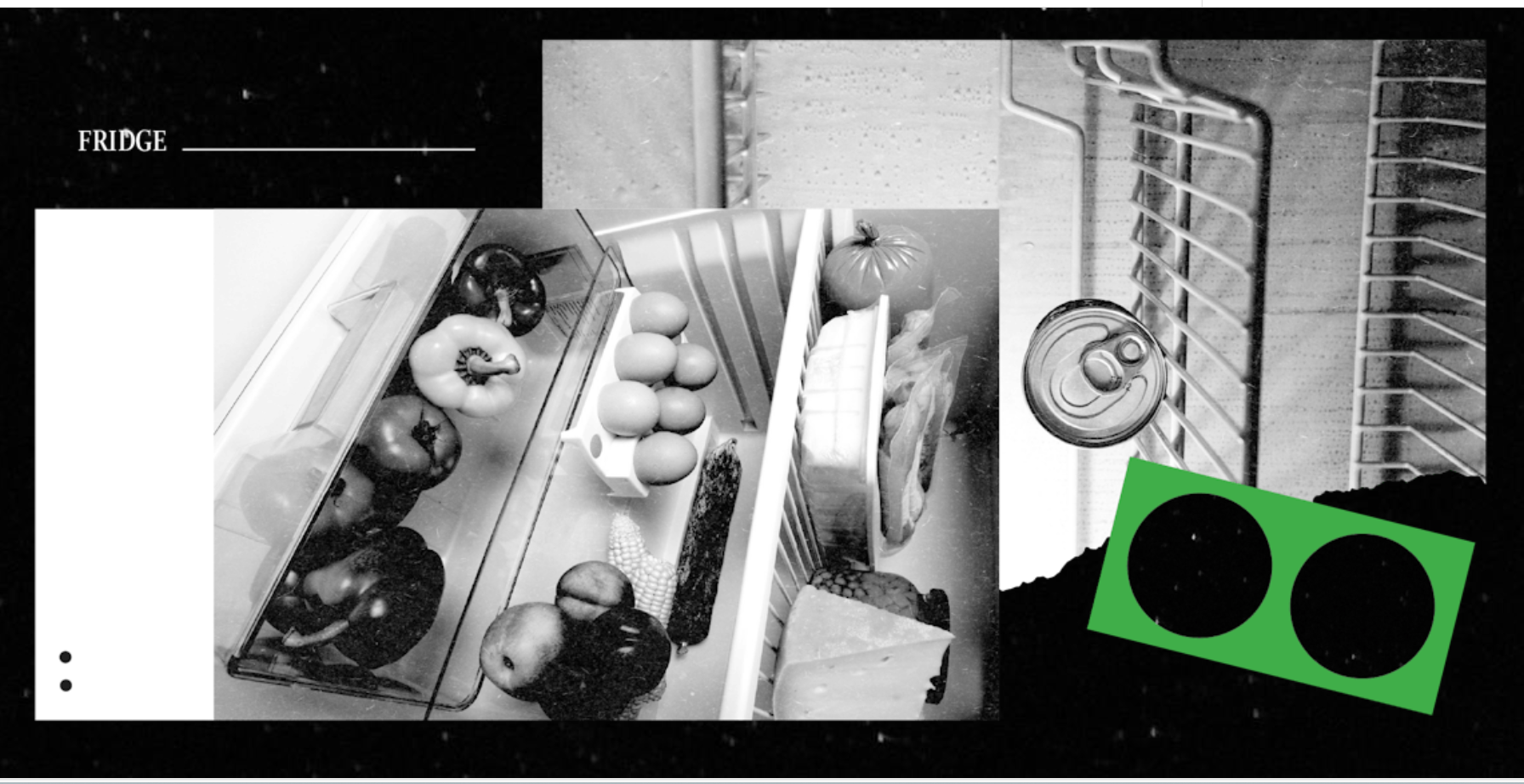
Your fridge is a place where fresh food goes to die. That doesn’t have to happen.
Professor Dr. Jiaying Zhao discussed how to organize your fridge to reduce food waste and greenhouse gas emissions.
-
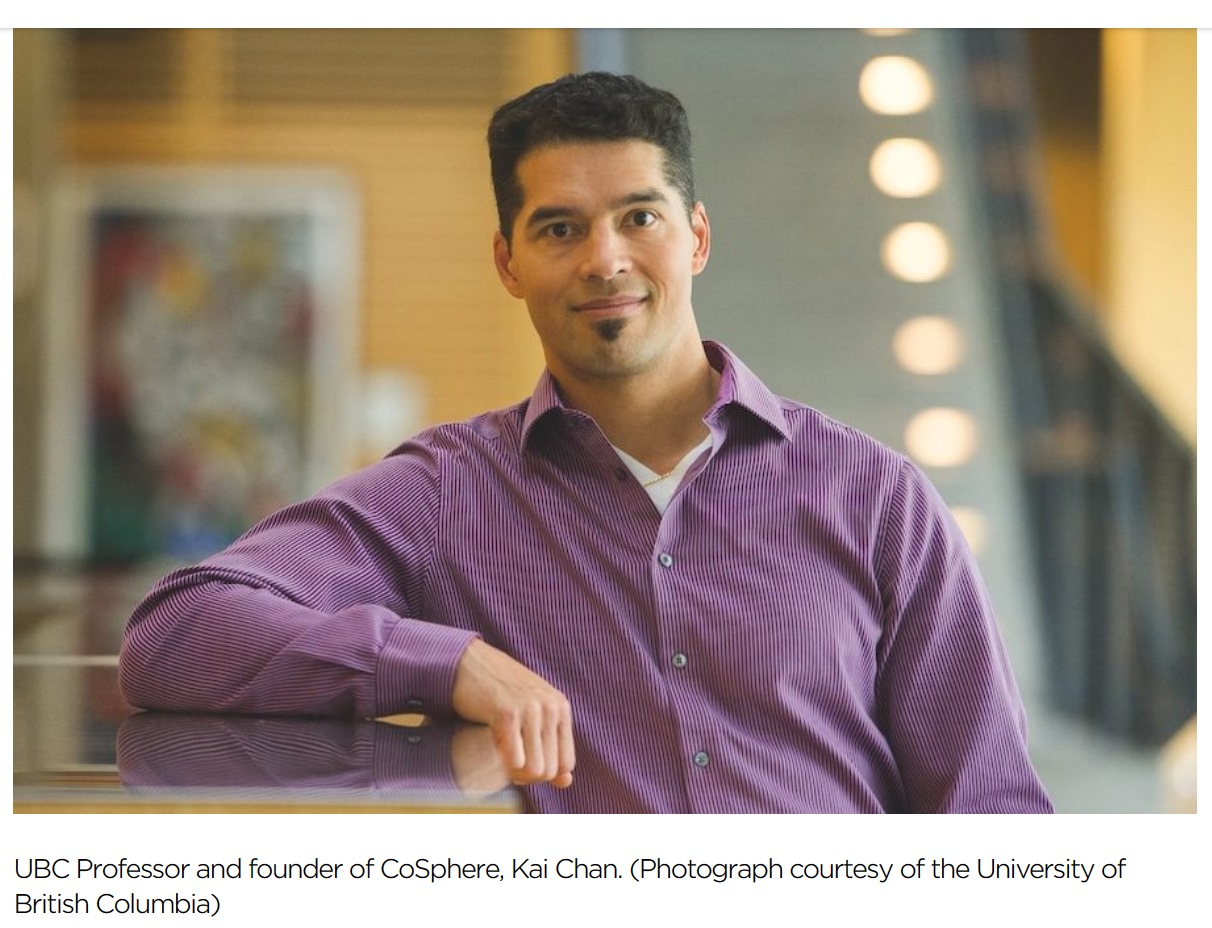
What’s the secret to a more sustainable future?
Dr. Kai Chan is featured in Broadview for being optimistic about climate action and his belief that the answer lies in the power of community.