
Vancouver General Hospital tests out plant-based food for patients
PhD student and surgical resident Dr. Annie Lalande co-led the Planetary Health Menu project which introduced plant-based and sustainable food choices to patients in hospital.
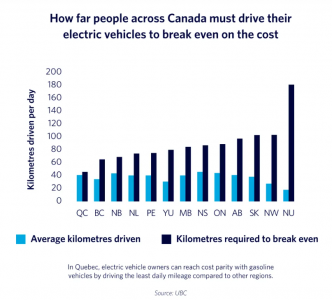
Can an EV save you money? It depends on where you live and how much you drive
UBC researchers explored electric vehicle costs across different provinces and territories. Stories quoted PhD student Bassam Javed, Dr. Amanda Giang and Dr. Milind Kandlikar.
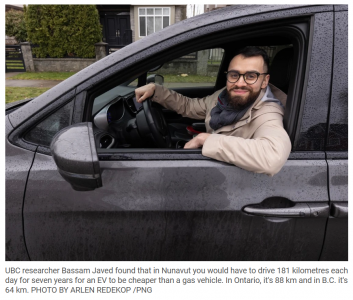
Can you save money driving an electric vehicle? UBC researchers crunched the numbers
PhD student Bassam Javed and Dr. Amanda Giang found that in Nunavut you would have to drive 181 kilometres each day for seven years for an EV to be cheaper than a gas vehicle. In Ontario, it’s 88 km and in B.C. it’s 64 km. Their study has been featured in the Vancouver Sun, The Province, MSN; La Presse, Eurasia Review, CKNW Jill Bennett Show (aired live on Feb. 29), and the CJAD Elias Makos Show
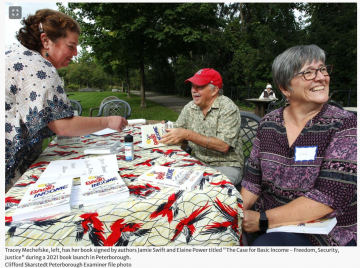
Basic income could provide the breathing space so many need
Dr. Jiaying Zhao led a study which found that unhoused people are more likely to spend a lump sum of money on rent, food, housing, transit and clothes, despite public perception otherwise.
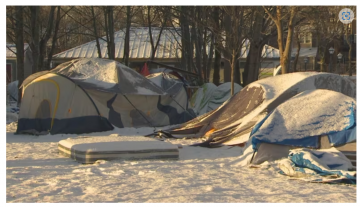
This homeless N.L. man lives on $175 a month. The federal housing monitor says it’s not enough
Dr. Jiaying Zhao is featured in CBC for her project that shows why it’s a “no-brainer” for provinces to offer more money to its poorest and most vulnerable populations. It would likely curb homelessness and save taxpayer money.
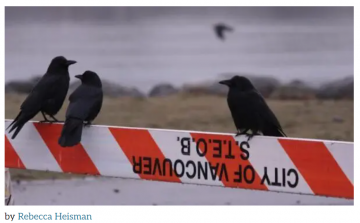
Is Our Food Waste Creating a Murder of Crows?
Dan Forrest, a PhD student at IRES, is featured in the Good Men Project for his study on how food waste is affecting Vancouver’s crow population. This study can help residents and the city make better-informed decisions by revealing the hidden dynamics of the urban ecosystem they’re part of.
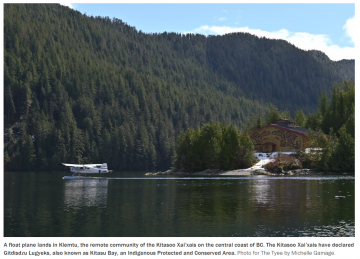
Removing Roadblocks for Indigenous Protected and Conserved Areas
Dr. Justine Townsend, a postdoctoral fellow at IRES, co-authored an article on the challenges facing First Nations advancing Indigenous Protected and Conserved Areas, or IPCAS.
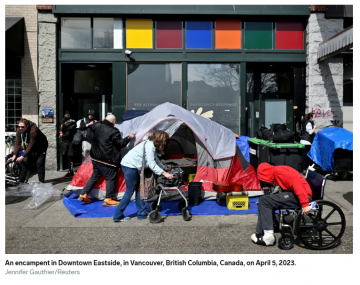
Homeless people in Vancouver were given $5,500 cash, no strings attached. They used it to secure housing and even start saving.
Media mentioned a study by psychology professor Dr. Jiaying Zhao which found that unhoused people are more likely to spend a lump sum of money on rent, food, housing, transit and clothes, despite public perception otherwise.
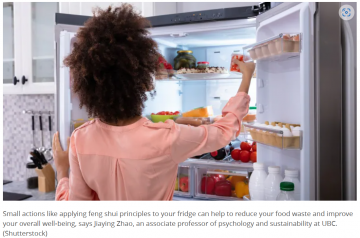
How to feng shui your fridge — and why it might help to curb climate change
Small actions like applying feng shui principles to your fridge can help to reduce your food waste and improve your overall well-being, says Dr. Jiaying Zhao

Canada’s Nature Agreement underscores the need for true reconciliation with Indigenous nations
Dr. Justine Townsend, a postdoctoral fellow at IRES, co-authored an article on the challenges facing First Nations advancing Indigenous Protected and Conserved Areas, or IPCAS. The article emphasizes how Canadian governments and the conservation sector respond to the roadblocks encountered is crucial. Only by assisting these initiatives can we build meaningful and lasting IPCAs which not only restore and protect ecosystems but also advance reconciliation through Indigenous governance, laws, and knowledge systems.
Image from CPPCL