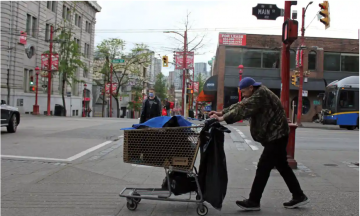
Canada study debunks stereotypes of homeless people’s spending habits
The Guardian features a study led by Dr. Jiaying Zhao which found that unhoused people are more likely to spend a lump sum of money on rent, food, housing, transit and clothes, despite public perception otherwise.

Scientists and poets agree – we love the smell of fresh rain
Postdoc Dr. Sahil Bhandari (mechanical engineering) is featured in the Province and Vancouver Sun for why we love the smell of fresh rain. “The smell of rain, especially after a long dry spell kind of tells me: ‘I can do agriculture, there’s water here. My survival is not going to be at risk in this area now.’ The brain is saying: ‘This is a good place to live. We can live here now.’”
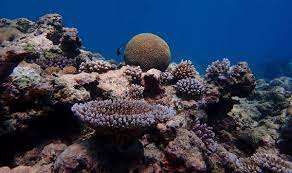
Coral reefs ‘may not be as vulnerable to climate change as previously thought’
” High-frequency coral bleaching can be fully mitigated at some reefs under low-to-middle emissions scenarios where, for example, the Paris Agreement commitments are fulfilled”. Dr. Simon Donner, an IRES professor, is featured in Express for his co-authored paper that found coral reefs in a remote part of the Pacific Ocean have increased their thermal tolerance and adjusted to higher ocean temperatures.
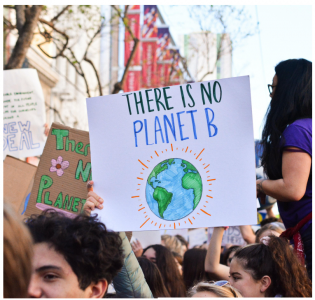
Is climate change as dangerous as doomists make it out to be?
Dr. Simon Donner, an IRES professor, is featured in a podcast by iheartradio for how his research shows that courage and openness to transformation is necessary for solutions to climate change, not fear and gloom.
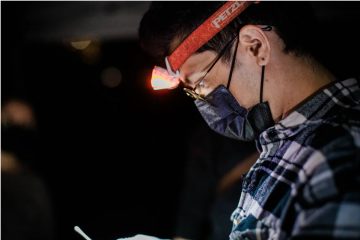
For these researchers, an ideal summer night is spent chasing bats through Vancouver’s parks
Aaron Aguirre is featured on CBC as part of a specialized team spending the summer gathering more information about the city’s urban bat population to protect the mammals — and their billion-dollar benefit to the economy — as one of the deadliest wildlife diseases in North America creeps closer to the coast.

10 Minutes to Save the Planet – Dude, where’s my alternative to cars?
If everyone drove 10% less in the US, it would be equivalent of taking almost 30 coal power plants offline in a year. How can these moments be something humans want to do? Dr. Jiaying Zhao discusses how to make this powerful action enjoyable.
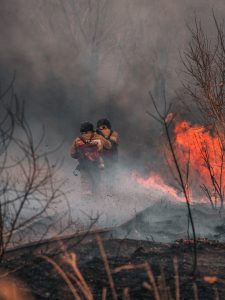
Anticipating Canada’s crisis response decisions can save critical time in future wildfire seasons
Today, both Canada and the United States are dealing with unprecedented levels of smoke from wildfires. And while forest management practices and climate change are partly to blame, so is the failure of governments to give people the right tools to make effective proactive crisis decisions.
IRES’s Robin Gregory is featured by breaking down preparation to 3 crucial factors. (Featured image:
mikhail serdyukov/ unsplash)
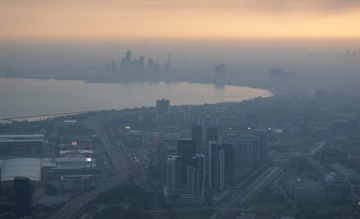
Canada and U.S. cooperation needed to solve our wildfire crisis
IRES professor Robin Gregory is featured in the Globe and Mail as he argues that reducing the threat and damage from wildfires can happen – but not without implementing the well researched forest management policies that are co-ordinated among all levels of government.
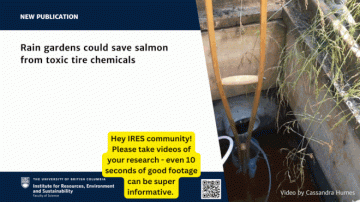
Rain gardens filter out tire toxin lethal to salmon, B.C. study shows
A study co-authored by Timothy Rodgers, Amanda Giang, and civil engineering researchers found that specially designed gardens could reduce the amount of a toxic chemical associated with tires entering our waterways by more than 90 per cent.
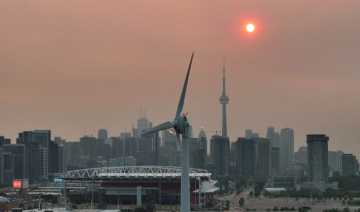
Vulnerable groups need more support with poor Toronto air quality, say climate experts
IRES professor Amanda Giang discusses how low income, immigrant populations are more exposed to air pollution and many lack the resources to protect themselves.